 Skip to content



A panic attack is frightening – for the individual who is having it and for the people around them. Still, as long as you can identify its signs and understand what is happening, you can calm your nervous system down and provide first aid to the struggling individual in distress. What to do when someone is having a panic attack? And is it possible to prevent panic attacks?
In this article, we will discuss panic attack symptoms you should be able to recognize in yourself and other people and talk about short- and long-term support for anxiety you should think about once you are diagnosed with a panic disorder.
Recognizing Panic Attacks
A panic attack is a sudden and intense surge of fear and discomfort that manifests emotionally and physically. It comes out of nowhere – there is no warning or specific trigger which makes it a particularly challenging mental health issue to tackle. Panic attacks quickly escalate to dread and physical distress that can result in the loss of consciousness, and some panic attacks last for up to fifteen or twenty minutes even though it may feel longer than that. If left untreated, panic disorder can worsen – it leads to depression, social isolation, interpersonal difficulties, and even substance misuse.
Common Panic Attack Symptoms
You can understand you are dealing with panic attacks when these symptoms are present even before you get an official diagnosis from a mental health specialist:
- Intense feeling of terror and dread.
- Fear of losing control or dying.
- Inability to concentrate on anything.
- Derealization and dissociation.
- Heart palpitations.
- Excessive sweating.
- Dizziness and nausea.
Immediate Recognition and Response
When you have a panic attack, get to a safe place where you can rest and calm down. Do not hesitate to acknowledge to others and admit to yourself what just happened – some people feel better if they get to drink or eat immediately after a panic attack. Talk to someone you trust about your symptoms and consider getting professional support for anxiety.
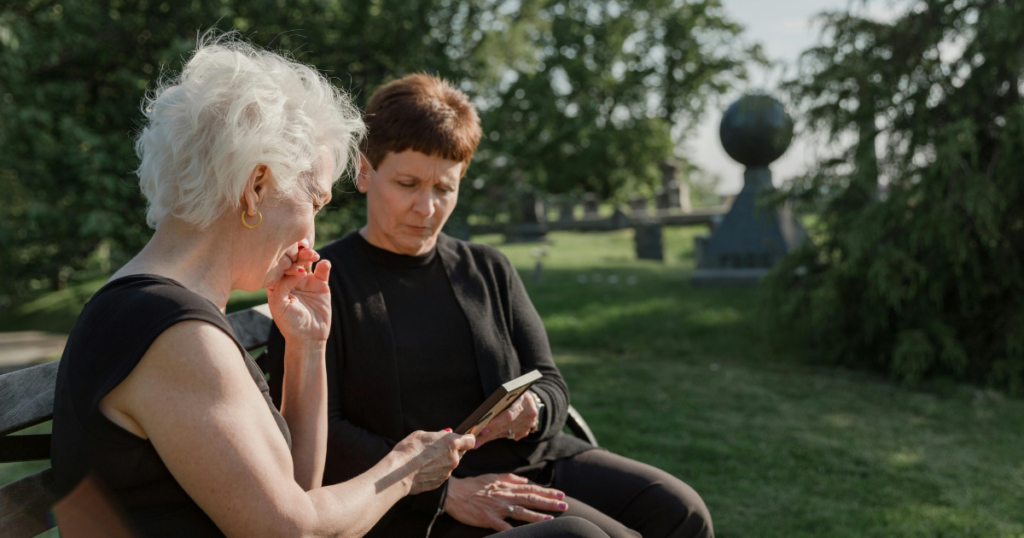
What to do when someone is having a panic attack? Do not allow fear to overcome you, guide the person to safety, and say simple things that will be helpful such as “You are completely safe” and “Focus on your breathing”.
Calming Techniques and Breathing Exercises
There are various relaxation practices you can master and utilize on your own which will help you decrease the severity and frequency of a future anxiety attack. Mindfulness will create a sense of separation from a panic attack, facilitate grounding, and improve emotional regulation – as time goes by, you get to manage anxiety and stress much better as you learn to be more self-compassionate and confident in your ability to cope with your issues. If you are asking yourself: “What to do when someone is having a panic attack?” because you are taking care of an anxious individual, the practices listed below will certainly come in handy.
Calming Techniques for Immediate Help
| Technique | Description |
| 5-4-3-2-1 Method | This is a very effective mindfulness exercise – ground yourself in the present moment by identifying five things you see, four things you feel, three things you hear, two things you smell, and one thing you taste. |
| Listening to Music | There are therapeutic tracks created specifically to reduce anxiety – many individuals also resonate with lo-fi music as well as sounds of nature like ocean or rain. |
| Positive Affirmations and Mantras | Figure out what works for you – some people can relax by reminding themselves out loud that they are safe and at peace. Various sacred words and phrases you can repeat will improve your attention and change your mood after an emotional turmoil. |
| Muscle Relaxation | Tense and release different muscle groups – reduce overall tension in your body from your feet to your head and temporarily distract yourself from your concerns. |
Breathing Exercises for Anxiety Relief
| Exercise | Description |
| Square Breathing | Inhale, hold your breath, and exhale – repeat as you are counting to 4 for every step. |
| 4-7-8 Breathing | Inhale for 4 seconds, wait for 7 seconds, and exhale for 8 seconds. |
| Belly Breathing | Put one hand on top of your chest and another right below your ribcage and inhale and exhale slowly. |
| Long Exhale | Activate your nervous system by inhaling slowly and exhaling even slower – for six to eight seconds while you are pursing your lips. |
Supporting Long-Term Anxiety Management
You should combine different approaches to see what speaks to you. Focus on stress reduction, healthy habits, and social support – make smart choices for yourself to enhance your emotional resilience and stay consistent.
Relaxation Methods to Support Anxiety Management
Mental health treatment can be complemented by the effort you make to reduce your anxiety – your collaboration with your therapist is not the only road to success:
- Find joy in old hobbies once more. Your job and everyday obligations should not define who you are – reflect on your past joys and embrace them once more.
- Follow a sleep routine. Read instead of scrolling through social media, avoid caffeine, and take sleeping pills prescribed to you by a mental health specialist.
- Do not skip social events. Cultivate a sense of belonging and fight against stress with people who love you.
Long-Term Strategies for Dealing with Panic Attacks
While you cannot know with all certainty that you will never go through a panic attack again, you can still enhance your overall health and safeguard yourself from further health complications:
| Strategy | Description |
| Change Your Lifestyle | Simple adjustments you can make such as a balanced diet and regular exercise can support mood stability. |
| Rely on Cognitive Tools | You can learn what triggers your anxiety and use grounding techniques when you experience emotional turmoil. |
| Build a Support Network | Talk to the people you trust about your problems – you can educate them on the nuances of the panic disorder and tell them what to do when you have a panic attack. |
| Get Professional Help | Attend counseling sessions to learn more about your subconscious thoughts. |
Personalized Support for Panic Attack Relief at Treat Mental Health
Whether you have been struggling with anxiety for a significant amount of time or you just had a panic attack and you are wondering what you are supposed to do now, a mental health consultation can be a great solution. Our team of dedicated professionals can help you master the skills you need to reduce stress and overcome your worries as you become the best and the strongest version of yourself.
Reach out to Treat Mental Health today – together, we will figure out how you can combat panic disorder successfully and improve the quality of your day-to-day life.

FAQs
What are the most common symptoms of a panic attack and how can you recognize them quickly?
A panic attack is evident due to a sudden wave of fear accompanied by physical signs such as shortness of breath, rapid heartbeat, nausea, sweating, and trembling. This crisis is also characterized by derealization and a fear of losing control.
What are some effective calming techniques for immediate help during an anxiety attack?
Focus on things you can see and feel around you, engage your breathing and your mind, and remind yourself that this fear will leave your body soon.
How can breathing exercises aid in anxiety relief and help manage panic attacks?
When you increase your body’s oxygen supply, you calm down your nervous system which will shift your attention away from negativity.
What relaxation methods are useful for supporting anxiety management on a regular basis?
Mindfulness, visualization, and readiness to participate in social gatherings will help you overcome anxiety and become healthy again.
What are the recommended long-term strategies for dealing with panic attacks and reducing their frequency?
Map out a safety plan to know what to do when a panic attack occurs, avoid triggers that hamper your emotional well-being, and challenge anxious thoughts in therapy.


