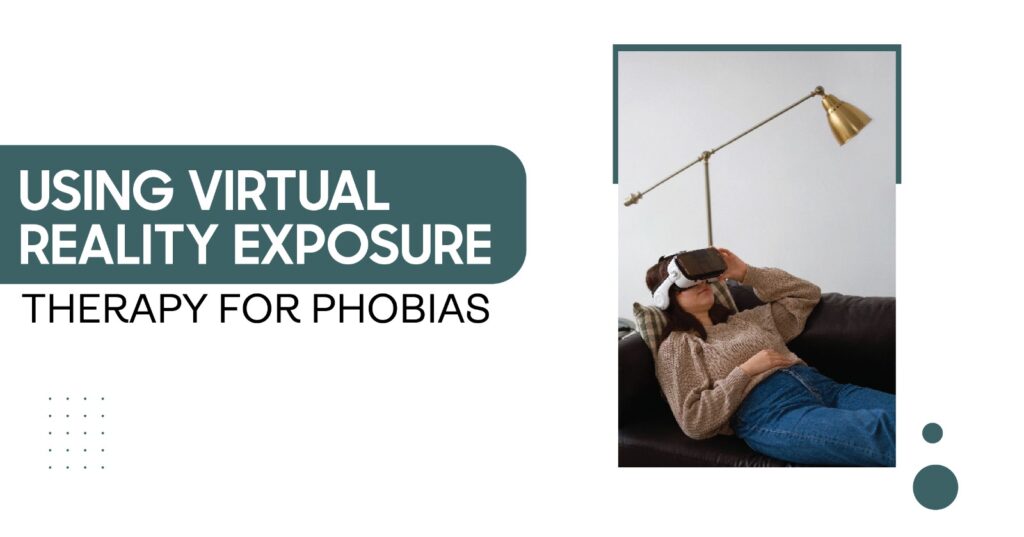
Virtual Reality Exposure Therapy for Phobias
Phobias—intense, irrational fears of specific objects or situations—affect millions worldwide, significantly impacting daily life. Traditional treatments like cognitive-behavioral therapy (CBT) and exposure therapy have been effective, but recent advancements have introduced a promising tool: Virtual Reality Exposure Therapy (VRET). This innovative approach leverages immersive technology to help individuals confront and overcome their fears in a controlled, virtual environment.
Understanding Virtual Reality Exposure Therapy
Virtual Reality Exposure Therapy integrates VR technology with traditional exposure therapy principles. By immersing patients in a simulated environment that mirrors their specific phobia, VRET allows for gradual, controlled exposure to the feared stimulus. This method enables individuals to face their fears safely, without the logistical challenges or risks associated with real-world exposure.

How VRET Works
- Assessment: A therapist evaluates the patient’s phobia, its severity, and its impact on daily life.
- Customization: A tailored VR program is developed to simulate scenarios related to the specific phobia.
- Gradual Exposure: Patients are gradually exposed to the feared object or situation within the VR environment, starting with less intimidating scenarios and progressively increasing in intensity.
- Skill Development: Throughout the process, therapists teach coping mechanisms and anxiety management techniques.
- Progress Monitoring: Therapists track the patient’s responses and adjust the VR scenarios as needed to ensure optimal progress.
Benefits of VRET
- Controlled Environment: Therapists can manipulate VR scenarios to suit the patient’s comfort level, ensuring a safe and controlled exposure experience.
- Accessibility: VRET makes it possible to simulate situations that are difficult or impractical to recreate in real life, such as flying or encountering specific animals.
- Enhanced Engagement: The immersive nature of VR can increase patient engagement and motivation during therapy sessions.
- Confidentiality: Patients can confront their fears privately, without the potential embarrassment of public exposure.
Effectiveness of VRET
Numerous studies have demonstrated the efficacy of VRET in treating various phobias:
- Specific Phobias: Research indicates that VRET is effective in reducing symptoms of specific phobias, such as fear of heights, spiders, and flying.
- Social Anxiety: VRET has shown promise in treating social anxiety disorders by allowing patients to practice social interactions in a virtual setting.
- Post-Traumatic Stress Disorder (PTSD): VRET has been utilized to help individuals with PTSD by recreating trauma-related scenarios in a controlled environment, facilitating desensitization and coping strategy development.

Limitations and Considerations
While VRET offers many advantages, it’s essential to consider potential limitations:
- Accessibility: Access to VR equipment and trained therapists may be limited in certain regions.
- Cost: The technology and specialized training required for VRET can be expensive.
- Individual Differences: Not all patients may respond equally to VRET; some may prefer traditional exposure methods.
Future Directions
As VR technology continues to advance, the potential applications of VRET are expanding. Developments in sensory feedback systems and artificial intelligence are expected to enhance the realism and effectiveness of virtual environments, making VRET a more accessible and integral component of mental health treatment.
Conclusion
Virtual Reality Exposure Therapy represents a significant advancement in the treatment of phobias, offering a safe, controlled, and effective method for individuals to confront and overcome their fears. As technology evolves, VRET is poised to become an increasingly valuable tool in mental health care, providing hope and relief to those affected by debilitating phobias.